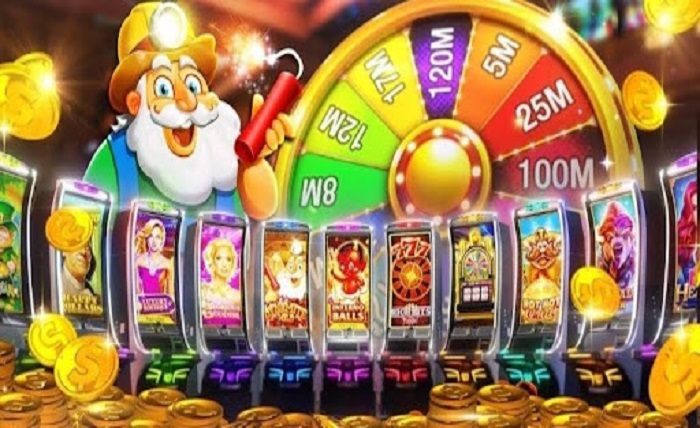
Slot games are among the most recognizable forms of digital entertainment, offering a wide variety of themes and gameplay mechanics. Understanding how these games function helps players make informed decisions and enjoy the experience responsibly. This guide from nohu will explain the concepts behind this game.
What Are Slot Games?
A type of game played by members every day.
Slot games are digital games that use randomly generated outcomes to determine the symbols displayed after each spin. Unlike traditional games that involve strategic decisions or skill-based actions, this game rely on mathematical algorithms to produce independent results every time the reels spin.
Modern machines have evolved significantly from the original mechanical machines introduced more than a century ago. Today’s versions feature advanced graphics, immersive sound effects, animated symbols, and bonus mechanics that create engaging experiences across desktop and mobile devices.
Most slot games follow a similar structure. Players choose a wager, start the spin, and wait for the reels to stop. If the symbols align according to the game’s predefined paytable, the game awards a corresponding payout. Every result is determined independently, meaning previous spins do not influence future outcomes.
Popular Types of Slot Games
The slot industry offers a wide variety of game styles designed for different preferences. While each title introduces unique features, most can be grouped into several major categories.
Classic Slots
Classic slots are inspired by traditional mechanical slot machines found in land-based venues. They usually feature three reels, a limited number of paylines, and familiar symbols such as fruits, bells, bars, lucky sevens, and stars.
These games emphasize simplicity rather than complex mechanics. Because of their straightforward gameplay, classic slots are often recommended for people who want to understand how slot games operate before exploring more advanced titles.
Video Slots
Video slots represent the largest category in today’s gaming market. Unlike classic versions, they commonly feature five or more reels, multiple paylines, cinematic animations, themed storylines, and interactive bonus rounds.
Themes range from mythology and ancient civilizations to adventure, fantasy, wildlife, science fiction, movies, and seasonal celebrations. Developers frequently introduce innovative mechanics such as expanding wilds, cascading reels, multiplier symbols, free-spin features, and bonus mini-games.
Progressive Jackpot Slots
Progressive jackpot slots are designed with prize pools that increase over time as eligible wagers contribute a small percentage toward the jackpot amount.
Unlike fixed-prize games, progressive jackpots continue growing until a qualifying combination or special bonus event awards the accumulated prize. After a jackpot is won, the prize pool resets to its starting value before increasing again through subsequent qualifying gameplay.
Some progressive jackpots are linked to a single game, while others connect multiple games or platforms into one shared prize pool. This interconnected structure allows jackpot values to become significantly larger than those found in standard.
The operating mechanism of slot games
The clear cut mechanism offered by this model
Every modern slot game is built on mathematical models and certified software that generate independent outcomes for each spin. Below are the three core components that determine how slot games work.
Random Number Generator (RNG)
Every modern slot game operates using a Random Number Generator, commonly known as an RNG. This software continuously generates random numerical sequences every second, regardless of whether anyone is actively playing.
When a player initiates a spin, the RNG instantly selects one random combination that determines the symbols appearing on the reels. Because each result is generated independently, every spin remains unrelated to previous or future outcomes.
This system ensures that outcomes cannot be predicted by observing previous spins or identifying repeating patterns.
Return to Player (RTP)
Return to Player, or RTP, represents the theoretical percentage of wagered money that a game may return to players over an extremely large number of spins.
For example, a slot games with a published RTP of 96% theoretically returns an average of 96 units for every 100 units wagered across millions of simulated spins. Individual gaming sessions, however, may produce results significantly above or below this long-term mathematical expectation.
Volatility and Jackpot Mechanics
Low-volatility games tend to provide smaller but more frequent payouts. Medium-volatility titles attempt to balance payout frequency and size. High-volatility games generally award larger prizes less frequently, leading to greater fluctuations throughout gameplay.
Progressive jackpot mechanics operate independently from standard volatility. These jackpots usually require specific symbol combinations or bonus features before awarding the accumulated prize. Each eligible contribution gradually increases the jackpot until it is eventually won.
How members can effectively participate in slot games
Tips for members playing top-tier slot games.
Slot games are designed as a form of entertainment, and understanding their mechanics can help players make informed decisions. Setting realistic expectations and maintaining healthy habits contribute to a more balanced experience
Plan an Entertainment Budget
Before beginning any gaming session, determine a spending amount that comfortably fits within your entertainment budget. Treat this amount similarly to other recreational expenses such as movies or concerts.
Once the planned budget has been used, avoid increasing it in an attempt to recover previous losses. Maintaining predetermined limits encourages healthier decision-making.
Understand Game Rules Before Playing
Every nổ hũ title includes unique features, payout structures, bonus mechanics, paylines, and wagering options. Taking a few minutes to review the game’s information section can improve understanding of how different features function.
Reading the paytable also explains special symbols such as wilds, scatters, multipliers, expanding reels, and free-spin triggers before gameplay begins.
Manage Your Playing Time
Time management is an important aspect of responsible entertainment. Long gaming sessions may reduce concentration and encourage impulsive decisions.
Scheduling regular breaks, setting reminders, and balancing gaming with other hobbies contribute to a healthier recreational routine. If gaming stops being enjoyable, taking a break is often the best decision.
Conclusion
Slot games combine engaging visual design, mathematical randomness, and diverse gameplay mechanics to create a unique form of digital entertainment. Understanding concepts such as RNG, RTP, volatility, and jackpot systems helps players better appreciate how these games function. By approaching responsibly and treating them as entertainment, players can enjoy the experience while maintaining healthy personal limits.