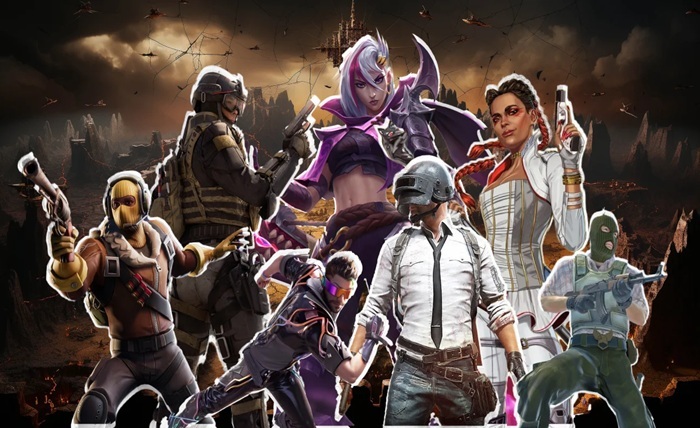
There is a pipeline that nobody talks about in gaming communities, but it is real and I have watched it happen dozens of times. Someone starts with competitive multiplayer games. Battle royale, tactical shooters, MOBAs. They play hundreds of hours chasing ranked progression and dopamine hits from clutch plays. And then at some point, usually after a losing streak or a season reset that wipes their progress, they ask a question that changes everything. Is there a game where the progress actually sticks?
That question is the gateway to RPGs, and specifically to JRPGs. Because no genre answers it more emphatically. In a JRPG, every hour you invest compounds. Your characters grow stronger. Your equipment improves. The story advances. Nothing gets reset at the end of a season. Nothing gets patched into irrelevance by a balance update. What you build stays built. For someone coming from the treadmill of competitive multiplayer, that permanence is intoxicating.
I was one of those players. I spent two years grinding ranked modes in various competitive games before a friend handed me a copy of Persona 4 Golden and told me to give it ten hours. I gave it ten hours, then fifty, then ninety. The experience fundamentally changed what I wanted from gaming. Not because turn-based combat was inherently better than shooting. But because the feeling of building something that lasted, of watching characters grow over dozens of hours, satisfied a need that multiplayer games had been failing to fill for years.
The adjustment period is real. Coming from fast-paced action games, the deliberate pace of a turn-based JRPG can feel jarring. The first hour is the hardest. You are used to constant input, constant feedback, constant stimulation. JRPGs ask you to read dialogue, navigate menus, and make strategic decisions that play out over several turns rather than several seconds. But once the rhythm clicks, the genre opens up in ways that competitive games cannot match.
What hooks battle royale players specifically is the resource management layer. In a battle royale, you loot equipment, manage inventory space, make decisions about which weapons to keep and which to drop. JRPGs operate on the same principle, just over a much longer timeframe. Equipment selection, party composition, skill point allocation, consumable management. These are strategic decisions that reward thoughtful planning over reflexes, and they scratch the same analytical itch that competitive players develop.
For anyone making this transition, starting points matter enormously. The wrong first JRPG can bounce you right back to multiplayer. I recommend games with strong hooks in the first five hours and combat systems that have enough mechanical depth to keep an experienced gamer engaged. The Persona series is arguably the best on-ramp because it combines dungeon crawling with a social simulation layer that feels fresh even to gaming veterans. The Persona series guide at Icicle Disaster breaks down each entry in detail.
For a broader perspective on which RPGs have stood the test of time, the top RPGs of all time ranking at Icicle Disaster is one of the most thoughtful lists I have encountered. It does not just rank games by nostalgia factor. It evaluates them on systems, storytelling, and how well they hold up for modern players. That matters for someone coming from competitive gaming, because you do not want to start with a game that feels dated.
The community aspect also translates surprisingly well. JRPG communities are some of the most passionate and welcoming spaces in gaming. The discussion is about story interpretation, character analysis, build optimization, and discovery rather than tier lists and patch complaints. For competitive players burned out on toxicity, the shift in community tone alone can be a revelation.
I am not suggesting that everyone should abandon competitive games for JRPGs. But if you have been playing multiplayer games for years and something feels hollow, if the ranked grind has stopped feeling rewarding, give a JRPG an honest ten hours. The worst case scenario is that you go back to what you were playing before. The best case is that you discover an entirely new dimension of what games can be. And based on the number of former competitive players I have seen make this transition over the past few years, the best case happens a lot more often than you might expect.
The social aspect should not be underestimated either. JRPG communities on Reddit, Discord, and Twitter are overwhelmingly positive spaces compared to competitive gaming communities. Discussions center on story theories, character appreciation, music analysis, and build optimization rather than balance complaints and toxicity. For someone exhausted by the emotional toll of ranked matchmaking, that shift in community culture can be as refreshing as the games themselves. The genre rewards curiosity over competitiveness, and the people who play these games reflect that philosophy in how they interact with each other online and in person.