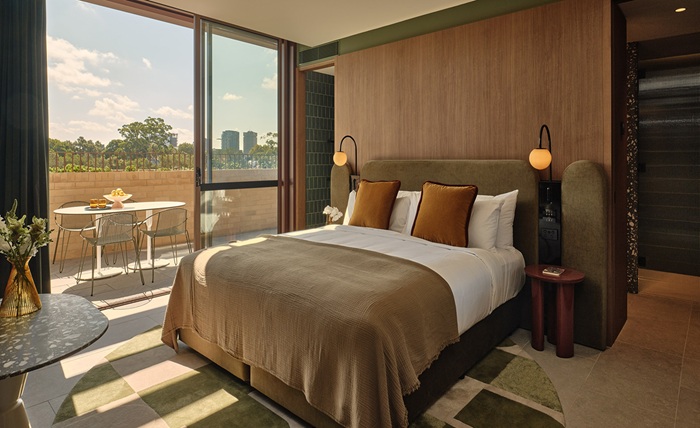
For a short trip, the hotel room does not need to solve every possible travel need. It must support a limited schedule: arrival, sleep, shower, storage, and quick movement around the city. This is why the best room type for a weekend or two-night stay is not always the largest or most expensive one. The right choice depends on how much time the traveler will spend indoors, how much luggage they have, and whether the room layout reduces daily friction.
Short trips often involve many quick decisions, from transport timing and restaurant reservations to online leisure searches such as casino vortex, but hotel room selection should remain practical. A room can look attractive in photos and still be inconvenient if the bed is poorly placed, the bathroom is too small, or there is nowhere to open a suitcase. For a short stay, comfort is less about luxury and more about efficient use of space.
Standard Rooms: The Safest Choice for Most Short Stays
A standard room is usually the most logical option for one or two nights. It normally includes a bed, bathroom, wardrobe or hanging space, small desk, and basic amenities. For travelers who plan to spend most of the day outside, this is often enough.
The main advantage of a standard room is cost control. There is no reason to pay for a large sitting area, kitchenette, or premium view if the itinerary is full. A standard room works well for city breaks, business trips, overnight transfers, and solo travel.
However, the word “standard” can mean very different things. In some hotels, it is a normal room with enough space for two people. In others, it may be the smallest category, with limited storage and a narrow bathroom. Before booking, travelers should check the room size, bed type, window, and bathroom description. A standard room is convenient only when the basics are reliable.
Superior or Comfort Rooms: Worth It When Space Matters
A superior or comfort room can be useful for a short trip when the price difference is small. These categories often offer more space, better light, a larger bed, a better view, or a quieter location within the hotel. For two people traveling with luggage, this can make the stay easier.
The value depends on what the upgrade actually includes. If the superior room is only slightly larger but costs much more, it may not be worth it. If it includes a real desk, better bathroom layout, more storage, or a room away from street noise, the upgrade can be practical.
This category is especially useful for travelers who return to the hotel during the day. A room that feels acceptable only for sleeping may become inconvenient if used for rest, work, or changing between activities. For a two- or three-night stay, a moderate upgrade can improve the rhythm of the trip without moving into an expensive category.
Compact Rooms: Good for Solo Travelers, Risky for Couples
Compact rooms can be cost-effective for short stays, especially in central locations. They are common in large cities where space is expensive. A compact room may be suitable for a solo traveler with hand luggage who mainly needs a place to sleep.
For couples, compact rooms require more caution. If the room has little floor space, one person may need to move luggage repeatedly. The bed may be placed against a wall, making access inconvenient. The bathroom may have limited counter space or a very narrow shower.
Compact rooms are best for one-night stays, late arrivals, early departures, or trips where location is more important than room comfort. They are not ideal for travelers carrying large suitcases or planning to spend time in the room.
Twin Rooms: Practical for Friends and Work Trips
A twin room is often more convenient than a double room when two travelers are not a couple. It gives each person separate sleeping space while keeping the booking simple. This room type works well for friends, colleagues, siblings, or group trips split across several rooms.
The important detail is whether the twin beds are truly separate. Some hotels use two beds placed close together, while others offer enough space between them. If privacy and comfort matter, this should be checked before booking.
Twin rooms can also be useful for travelers with different sleep habits. One person may want to read or wake early, while the other needs more rest. Separate beds do not solve all problems, but they often make a short shared stay easier.
Studios and Aparthotel Rooms: Useful but Not Always Necessary
A studio or aparthotel room includes more domestic functions, usually a kitchenette, table, and extra storage. For a short trip, this can be useful, but only if the facilities will actually be used.
A studio makes sense for travelers who want to prepare breakfast, store groceries, work remotely, or follow a specific diet. It is also useful for families with small children or guests who dislike eating every meal outside.
For a typical weekend city break, however, a kitchenette may not add much value. If the traveler plans to eat in cafés and spend all day outside, paying extra for apartment-style facilities may be unnecessary. The decision should depend on daily routine, not only on the idea that “more facilities” means a better stay.
Family Rooms: Best When They Replace Two Rooms
Family rooms are convenient when they allow several people to stay together without booking separate rooms. They may include a double bed plus sofa bed, bunk beds, or connected sleeping zones. For short trips, this can reduce cost and make coordination easier.
The main question is whether the room remains usable when all beds are open. Some family rooms look spacious in photos but become crowded once the sofa bed is prepared. Travelers should check room size, bathroom access, and storage.
Family rooms work best when the trip is short and the room is mainly for sleeping. For longer stays, separate rooms or an apartment layout may be more comfortable.
Rooms with a View: Nice, but Not Always Practical
A room with a view can add value to a short trip, especially in coastal cities, mountain areas, or historic centers. The view may become part of the travel experience. However, it should not be the first priority if the stay is very short or the schedule is full.
A view is worth paying for when the traveler will spend time in the room, when the price difference is reasonable, or when the destination is strongly connected to the landscape. It is less important when arrival is late, departure is early, or the room faces noise despite the view.
Before upgrading, check whether the view is guaranteed. Terms such as “partial view” or “city view” can be broad. A view should not replace basic comfort, quiet, or a functional bathroom.
What Matters More Than the Room Name
Room category names are not standardized. One hotel’s “classic room” may be better than another hotel’s “superior room.” This is why travelers should compare practical details: square meters, bed size, window type, bathroom layout, storage, outlets, air conditioning, heating, noise comments, and floor level.
For short trips, the most convenient room is usually simple but efficient. It should allow easy luggage placement, comfortable sleep, quick showering, and fast exit in the morning. Extra space matters only when it supports the actual plan.
The best choice for most short stays is a well-located standard or comfort room with a reliable bed, private bathroom, enough room for luggage, and good noise control. A compact room can work for solo travel. A studio works when food or work routines matter. A family room works when it replaces multiple bookings. The right room is not the biggest one, but the one that removes small problems from a short schedule.